
The Climate Change Committee (CCC) is an independent, statutory body established under the Climate Change Act 2008. Our purpose is to advise the UK and devolved governments on emissions targets and to report to Parliament on progress made in reducing greenhouse gas emissions and preparing for and adapting to the impacts of climate change.
The Climate Change Act formalised the UK’s approach to tackling climate change – both on mitigation (reducing emissions) and adaptation (increasing resilience to climate change). It established the Climate Change Committee to ensure that the assessment of progress and advice provided can be evidence-based, independently assessed, and long-term in its advice. Under the Climate Change Act 2008, the Committee is required to produce statutory reports to government and Parliament. The key reports are:
- Advice on carbon budgets and long-term emissions targets.
- Progress reports on meeting carbon budgets and targets.
- An assessment of UK climate change risks.
- Progress reports on adapting and preparing for climate change.
In addition, Ministers can request CCC advice on specific issues and topics. Our conclusions, analysis, and underlying data are all available in the publications section of this website. CCC recommendations are frequently referenced in the Northern Ireland, Scotland, UK, and Welsh parliaments and assemblies. They are also commonly a source of information for business and industry, academia, the national and international media and, increasingly, the public. Climate Change Committee members are appointed by the Department for Energy Security and Net Zero, with Adaptation Committee members appointed by the Department for Environment, Food and Rural Affairs. The current members are listed below.
Our people
Climate Change Committee members
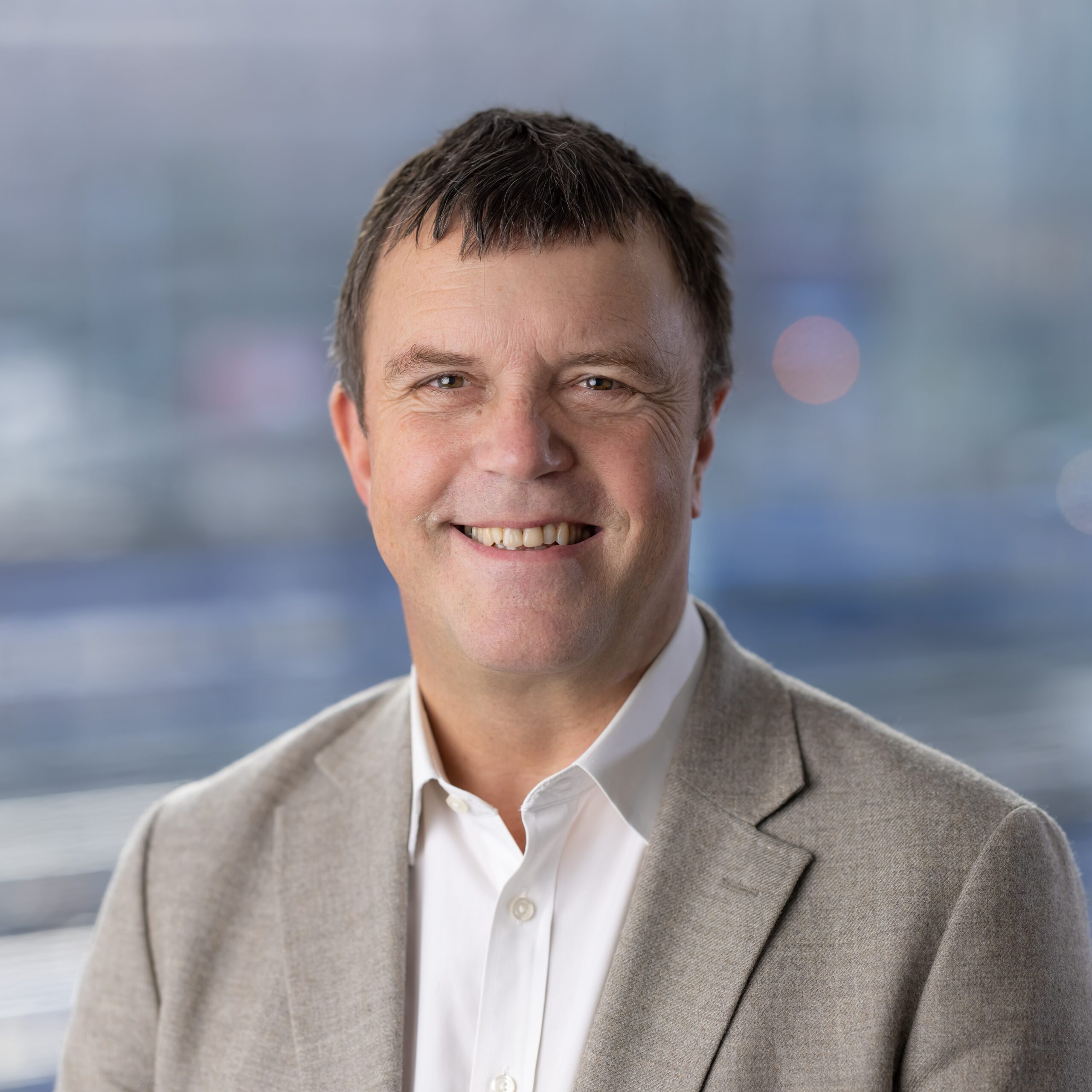
Nigel Topping CMG
Chair
Nigel Topping was appointed by the UK Prime Minister as UN Climate Change High Level Champion for COP26. In this role Nigel mobilised global private sector and local government to take bold action on climate change, launching the Race To Zero and Race To Resilience campaigns and, with Mark Carney, the Glasgow Financial Alliance for Net Zero.
Nigel is also:
- A global advisor to governments, financial institutions and private companies on climate and industrial strategy.
- A non-executive director of the UK Infrastructure Bank.
- An Honorary Professor of Economics at Exeter University.
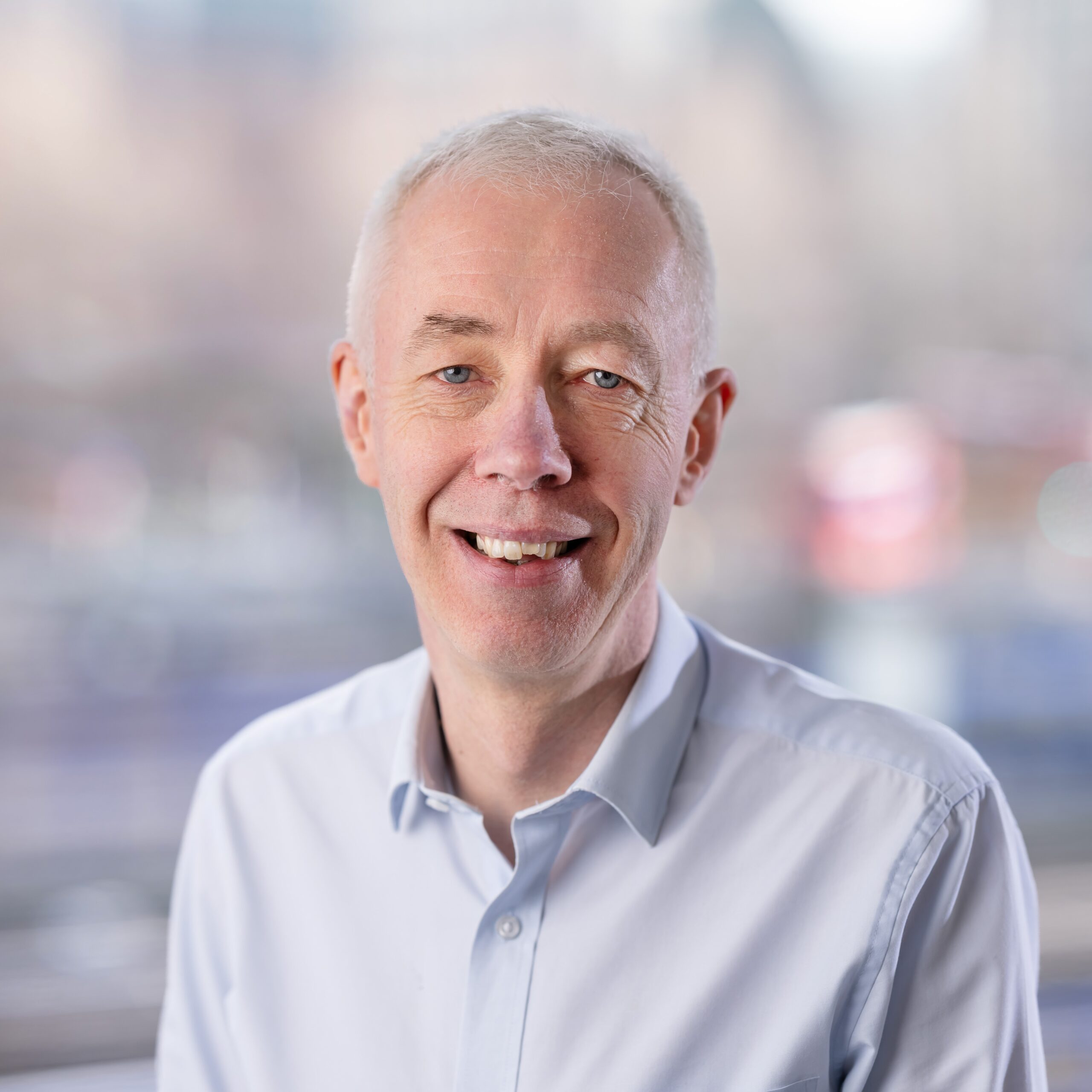
Professor Keith Bell
Keith Bell is a co-Director of the UK Energy Research Centre (UKERC), a Chartered Engineer and a Fellow of the Royal Society of Edinburgh. He has been at the University of Strathclyde since 2005, was appointed to the Scottish Power Chair in Smart Grids in 2013 and has been involved in energy system research in collaboration with many academic and industrial partners.
Keith is also:
- A Chartered Engineer.
- A Fellow of the Royal Society of Edinburgh.
- A Fellow of the Higher Education Academy.
- A Member of the IET.

Professor Laura Díaz Anadón
Laura Díaz Anadón is the Chaired Professor of Climate Change Policy at the University of Cambridge and Director of the Centre for Environment, Energy and Natural Resource Governance (CEENRG), also at the University of Cambridge. She is a leading global expert on climate and energy policy.
Laura also:
- Is a twice‑elected Vice‑Chair and founding member of the European Scientific Advisory Board on Climate.
- Is a lead author for both the 6th and 7th IPCC Assessment Reports.
- Has advised governments and international bodies including the UK Treasury, UN, and legislatures in the US and UK.
- Worked in engineering and financial consulting, prior to academia.

Professor Piers Forster CBE FRS
Piers Forster is Director of the Priestley Centre for Climate Futures and Professor of Physical Climate Change at the University of Leeds. Piers has played a significant role authoring Intergovernmental Panel on Climate Change (IPCC) reports and is a coordinating lead author role for the IPCC’s sixth assessment report.
Piers also:
- Established the forest protection and research charity, the United Bank of Carbon.
- Has a number of roles advising industry, including membership of the Rolls Royce Environment Advisory Board.
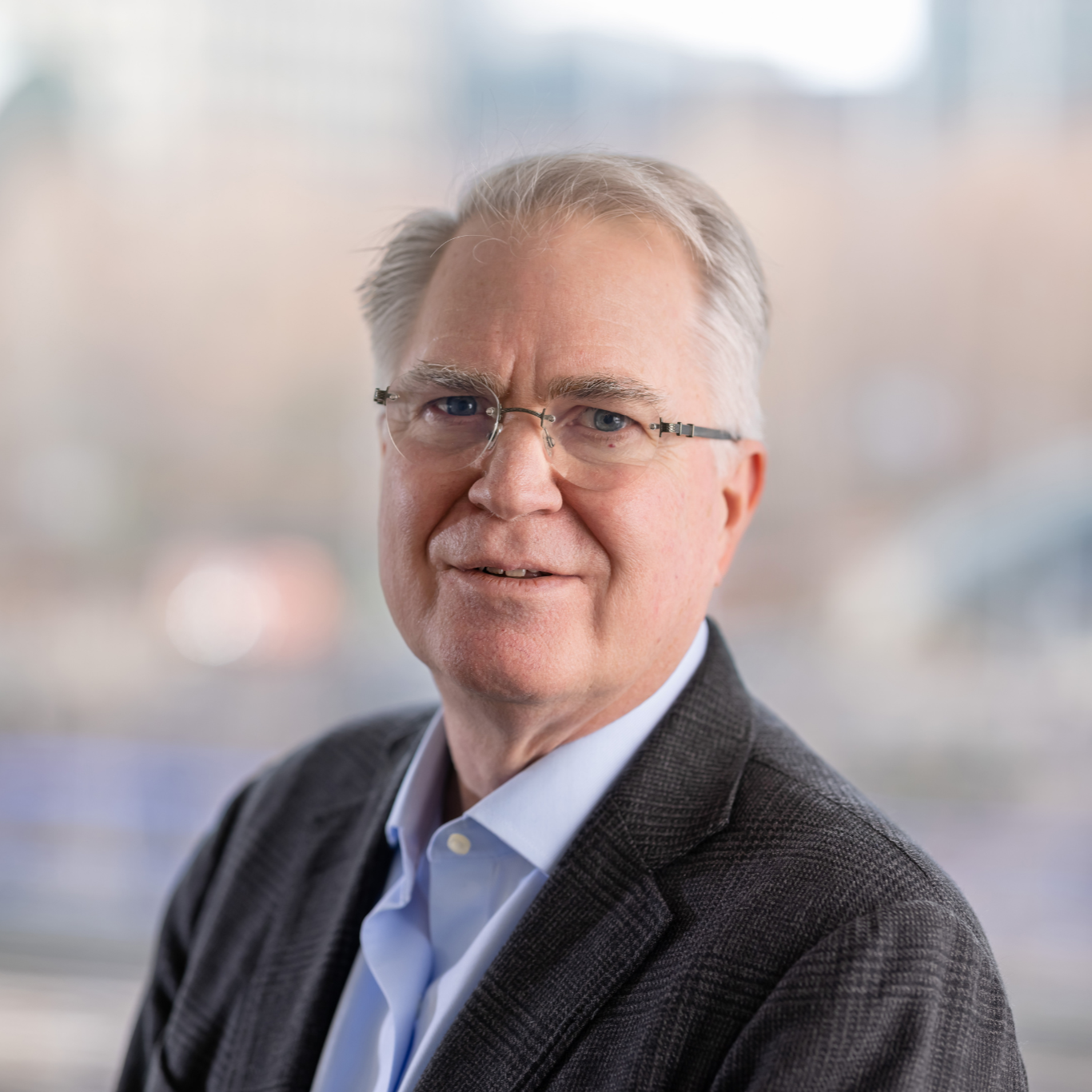
Dr Steven Fries
Steven Fries is a Senior Associate Fellow at the Institute for New Economic Thinking at the Oxford Martin School and Oxford Net Zero, University of Oxford.
Steven has previously held roles as:
- Group Chief Economist at Shell (2006 to 2011; 2016 to 2021).
- Chief Economist at the Department of Energy and Climate Change (2011 to 2016).
- He also previously served in a series of senior roles at the European Bank for Reconstruction and Development (EBRD) (1993 to 2006), including Deputy Chief Economist and Director of Policy Studies.
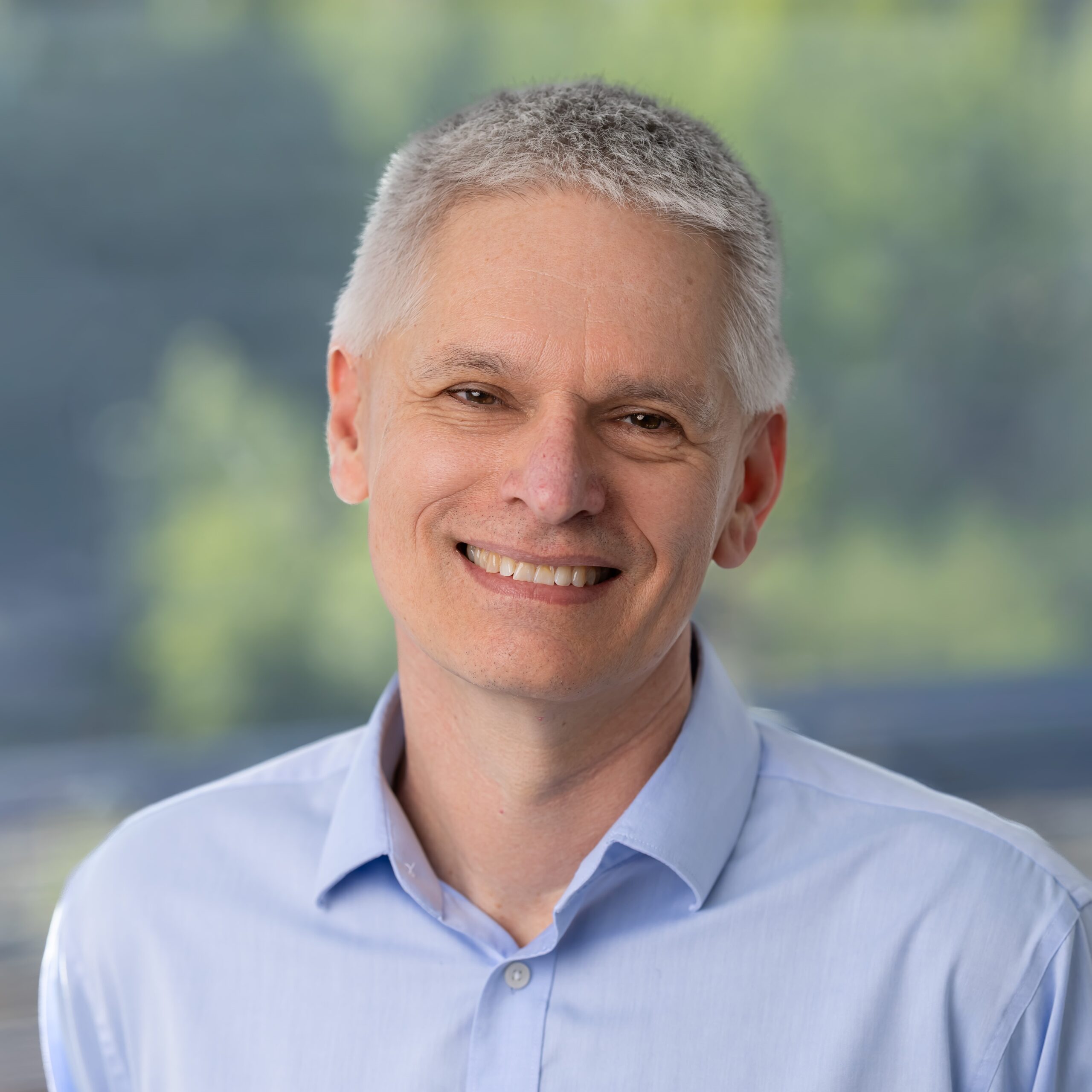
Professor Andrew Jordan
Andrew Jordan is Director of the Tyndall Centre for Climate Change Research at the University of East Anglia. With more than 30 years working in environmental and climate policy, he is internationally recognised for his research on how governments design, coordinate, and innovate public policies for sustainability, particularly within the European Union.
Andrew also:
- Is a Fellow of the British Academy and the Academy of Social Sciences.
- Served on Defra’s Science Advisory Council (Social Science Expert Group).
- Served on the UK Office for Environmental Protection’s College of Experts.
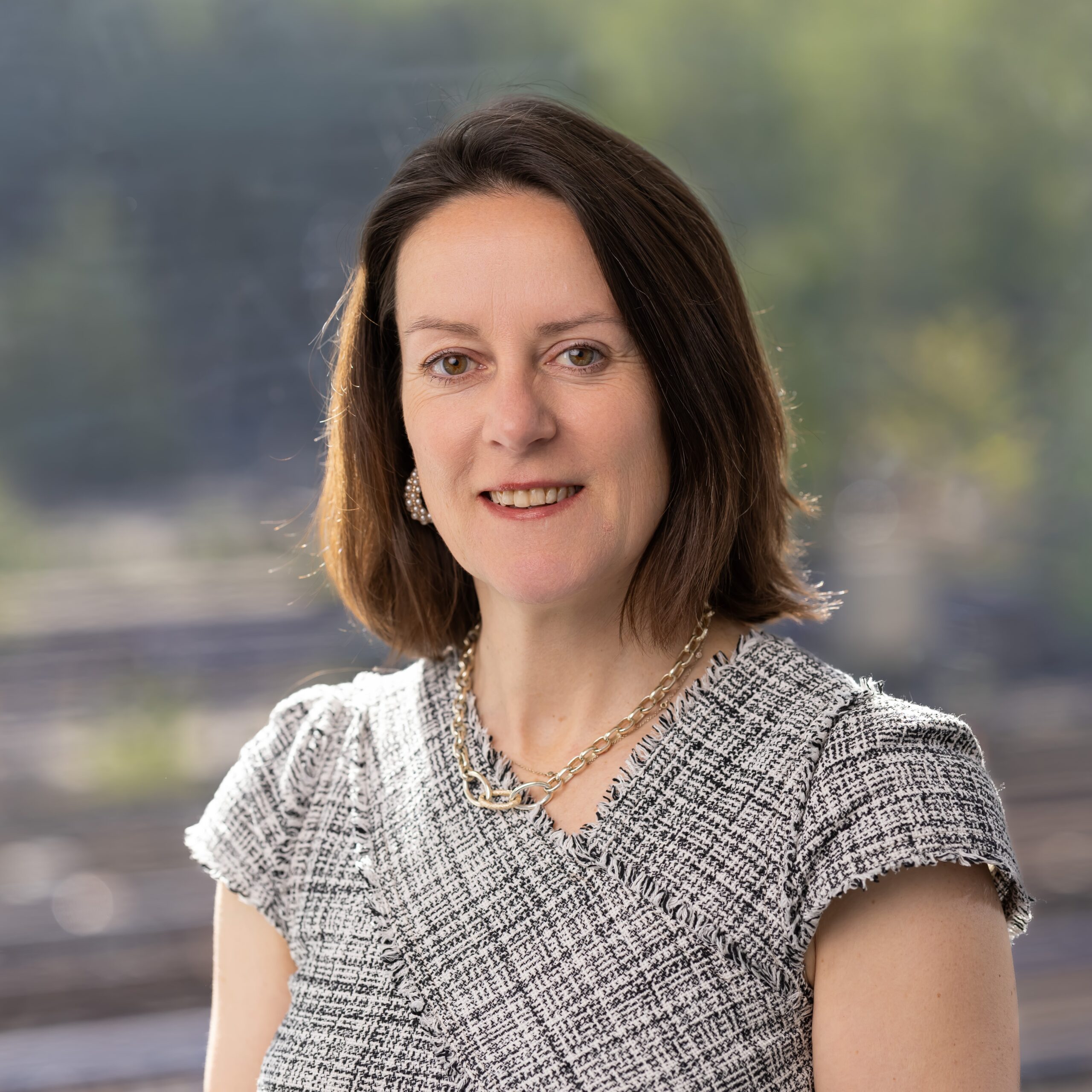
Emily Norton
Emily Norton has over 25 years of experience in the food and farming sector. After qualifying as a lawyer, Emily undertook an MSc in Sustainable Agriculture and has expertise in natural capital influences on land, food, and farming.
Emily is also:
- Chair of the Agriculture and Horticulture Development Board.
- A trustee at the Royal Norfolk Agricultural Association.
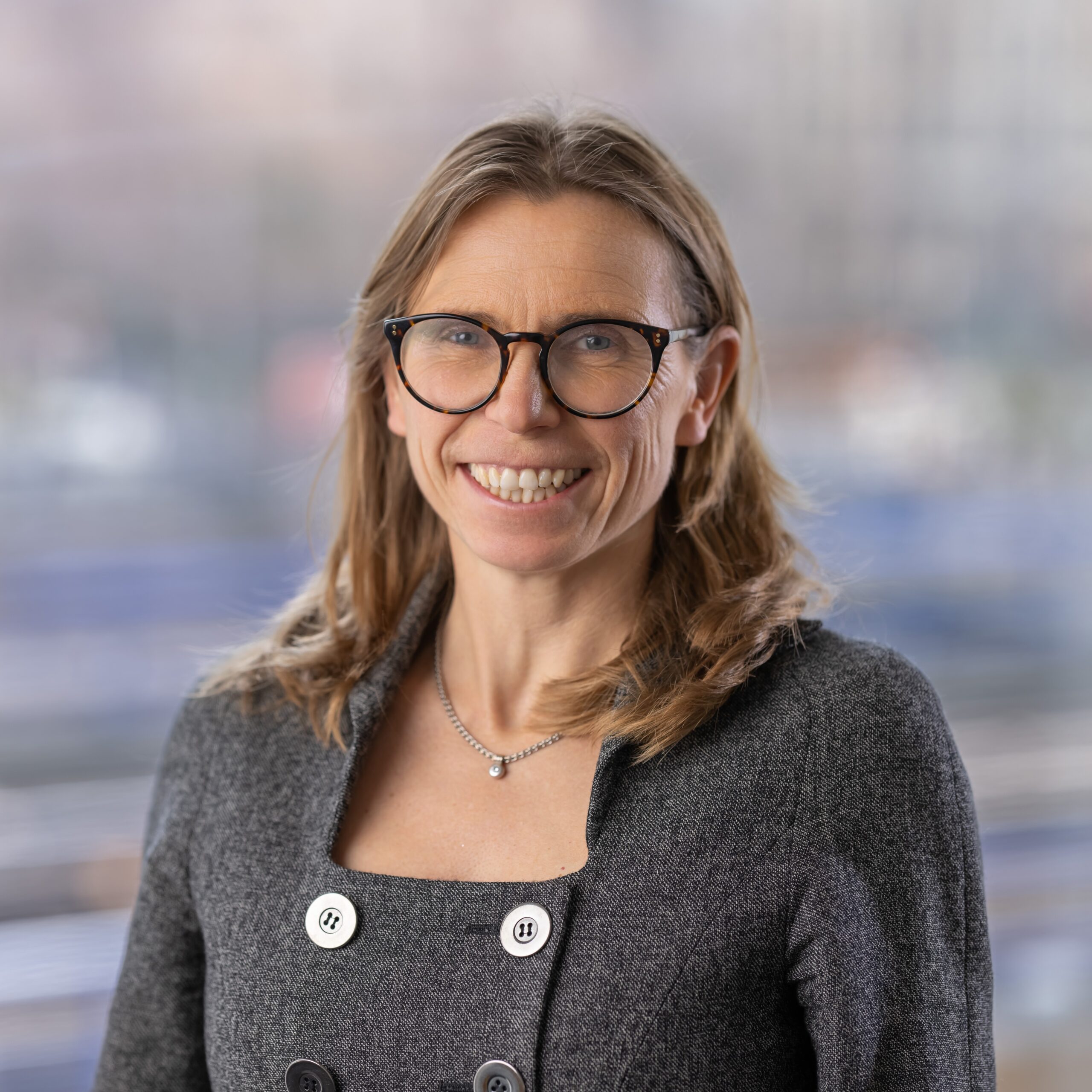
Professor Swenja Surminski
Swenja Surminski is Professor in Practice at the Grantham Research Institute at the London School of Economics (LSE) and Managing Director Climate and Sustainability at Marsh. She advises the Coalition of Finance Ministers on climate risks topics and is PI of the NATURANCE project at LSE. Swenja’s work focuses on capacity building and knowledge transfer between science, policy and industry.
Swenja is also:
- Chair of Managing Board of MCII since 2022.
- Previous Deputy Director at Grantham Research Institute, London School of Economics (2021-2022) and Associate Principal at Vivid Economics / McKinsey (2016-2022).
- A contributing author to the IPCC and lead author of UK CCRA2 and CCRA3.
- Co-creator of the Triple Resilience Dividend concept with the Worldbank and ODI.
- A visiting Academic at the Bank of England.
Adaptation Committee members
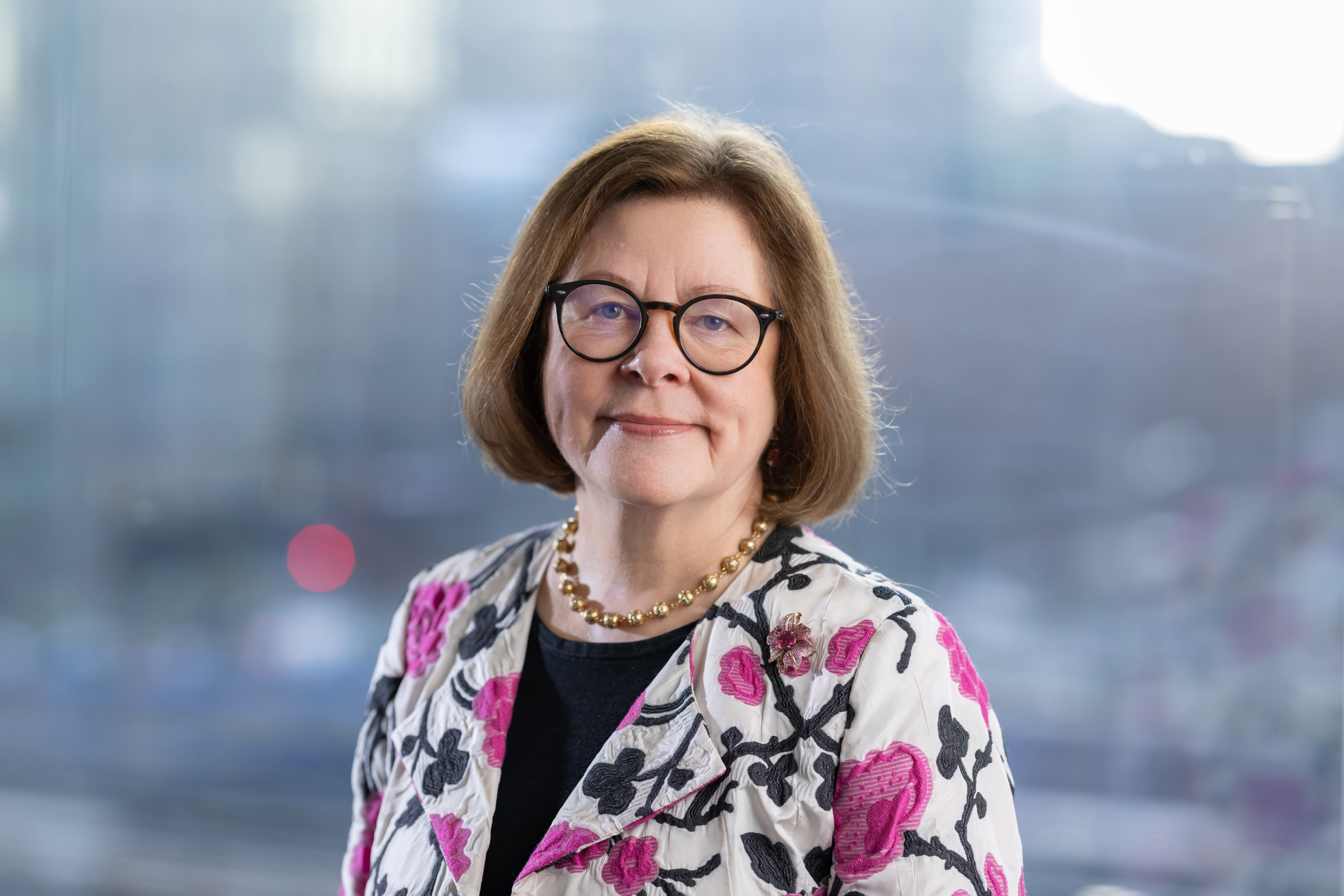
Baroness Brown DBE FREng FRS
Chair, Adaptation Committee
Baroness Brown of Cambridge (Professor Dame Julia King) is an engineer, with a career spanning senior engineering and leadership roles in industry and academia.
Baroness Brown also holds the following positions:
- Non-executive director of Ceres Power, Ørsted and Frontier IP.
- Chair of the Carbon Trust.
- Fellow of the Science Museum.
- Fellow of the Royal Academy of Engineering and of the Royal Society. She was awarded DBE for services to higher education and technology.
- A crossbench Peer, a member of the House of Lords European Union Select Committee, and a member of the Intelligence and Security Committee.
- She was non-executive Director of the Green Investment Bank and led the King Review on decarbonising transport (2008).
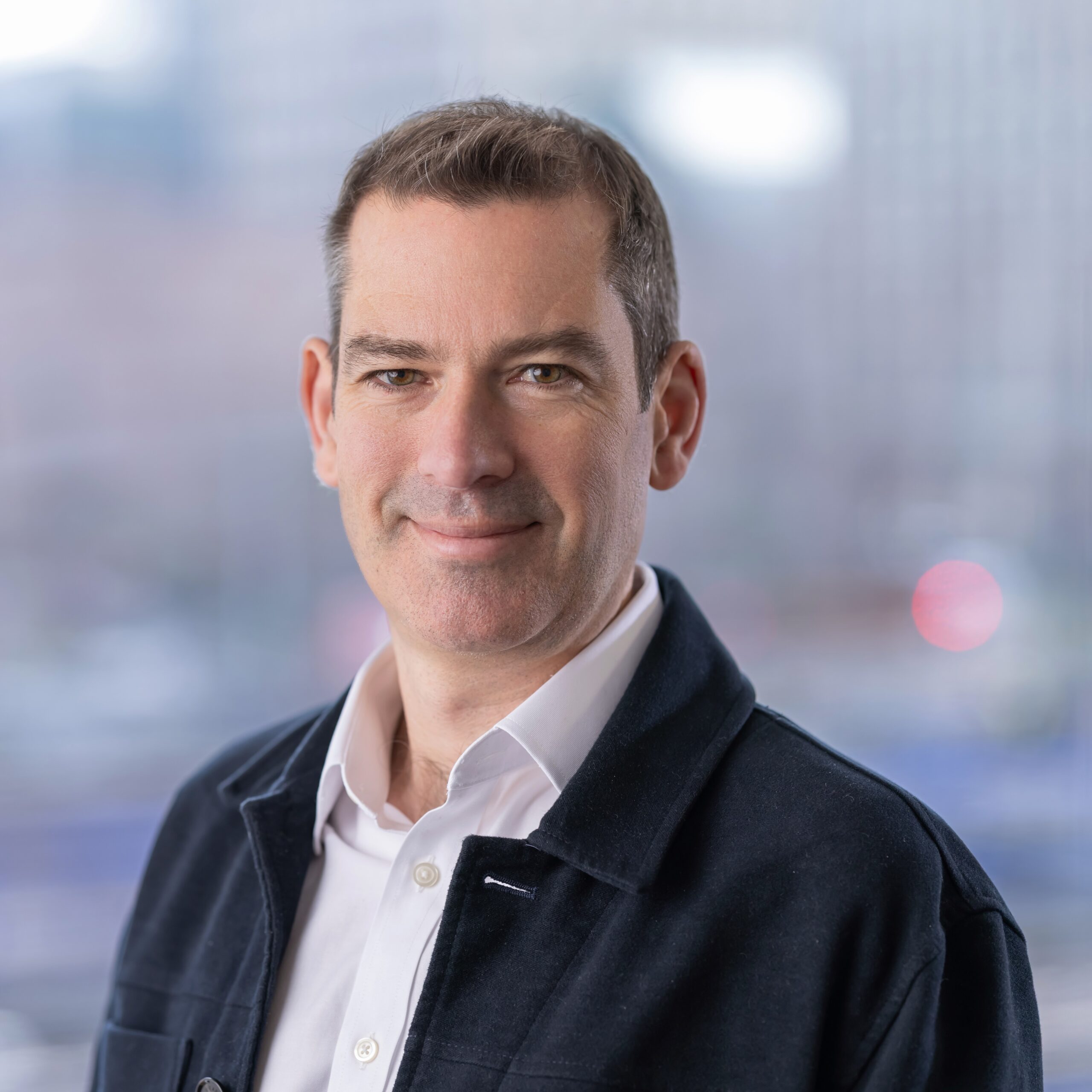
Mr Ian Dickie
Ian Dickie is a Director at Economics for the Environment Consultancy (EFTEC), with over 25 years of experience as an applied environmental economist. He specialises in biodiversity, natural capital accounting, and the economic appraisal of environmental policy and infrastructure.
Ian is also:
- A member of Defra’s Biodiversity Expert Committee.
- He has served on advisory panels for the Royal Society of Arts, the Capitals Coalition, and the Peatland Code.

Professor Chris Evans
Chris Evans is a biogeochemist studying the impacts of land-use and other environmental drivers on the terrestrial and aquatic carbon and nutrient cycles. He currently leads UKRI, Defra and DESNZ projects with a value exceeding £10m on mitigating GHG emissions from peatlands, and managing them for carbon capture and storage.
Chris is also:
- A board member of Fenland Soil.
- A member of the National Trust’s Natural Environment Advisory Group.
- He has published over 200 peer-reviewed research papers, which have been cited over 20,000 times, and was awarded an MBE for services to ecosystem science in 2020.
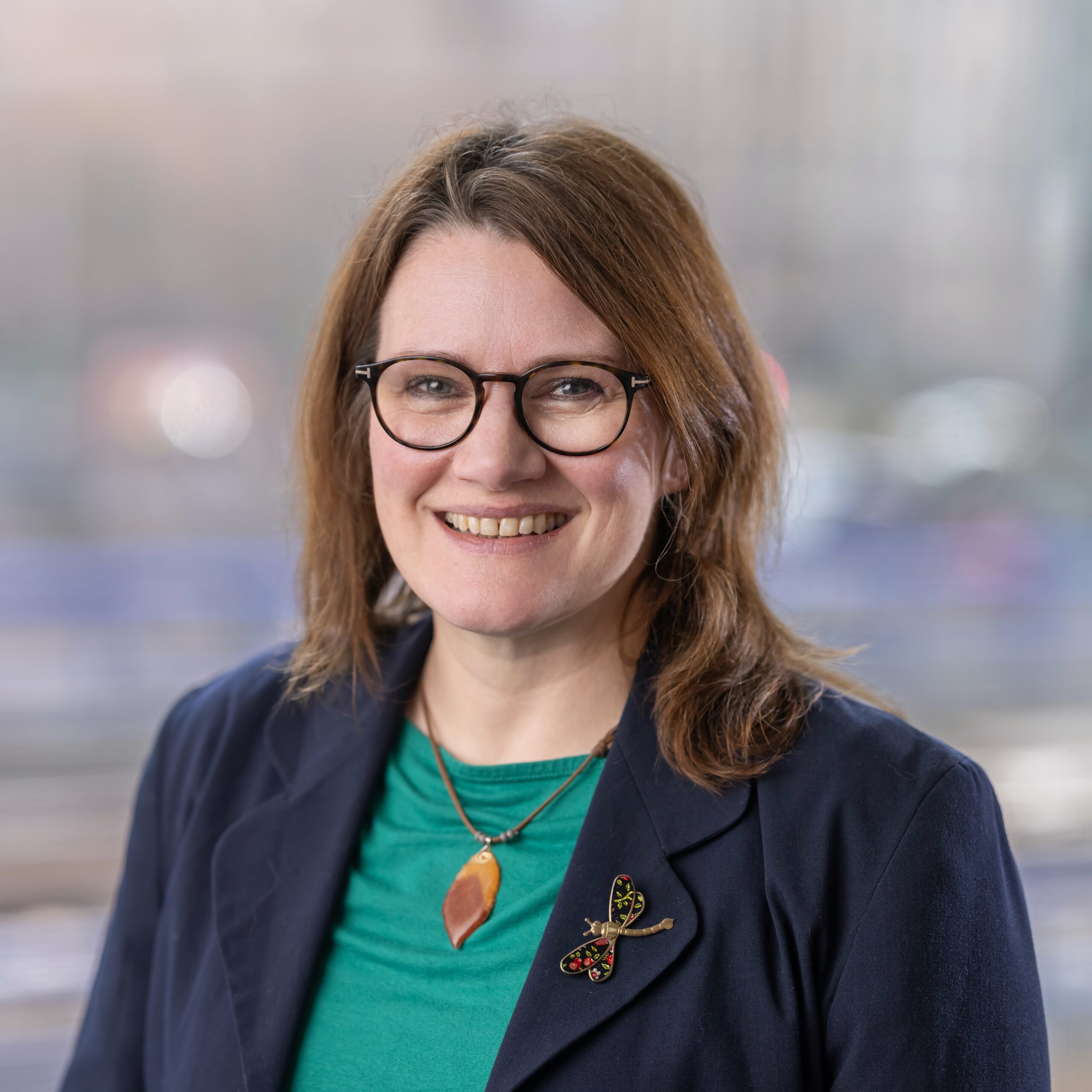
Professor Hayley Fowler FRS
Hayley Fowler is a Professor of Climate Change Impacts at Newcastle University and Director of the Centre for Climate and Environmental Resilience. Her research focuses on improved physical understanding of changing precipitation extremes, floods and droughts, and providing better projections and guidance for climate adaptation of infrastructure systems.

Dr Michael Keil
Michael Keil is Chief Executive of the Consumer Council for Water, the statutory consumer body for the water sector. He brings over two decades of experience across Ofwat, Severn Trent Water, and the Met Office, with a strong focus on climate change adaptation, resilience, and consumer advocacy.
Michael also:
- Holds a PhD in Meteorology.
- Has served on multiple boards and advisory panels where he has contributed evidence to national climate risk assessments and adaptation planning under the Climate Change Act.
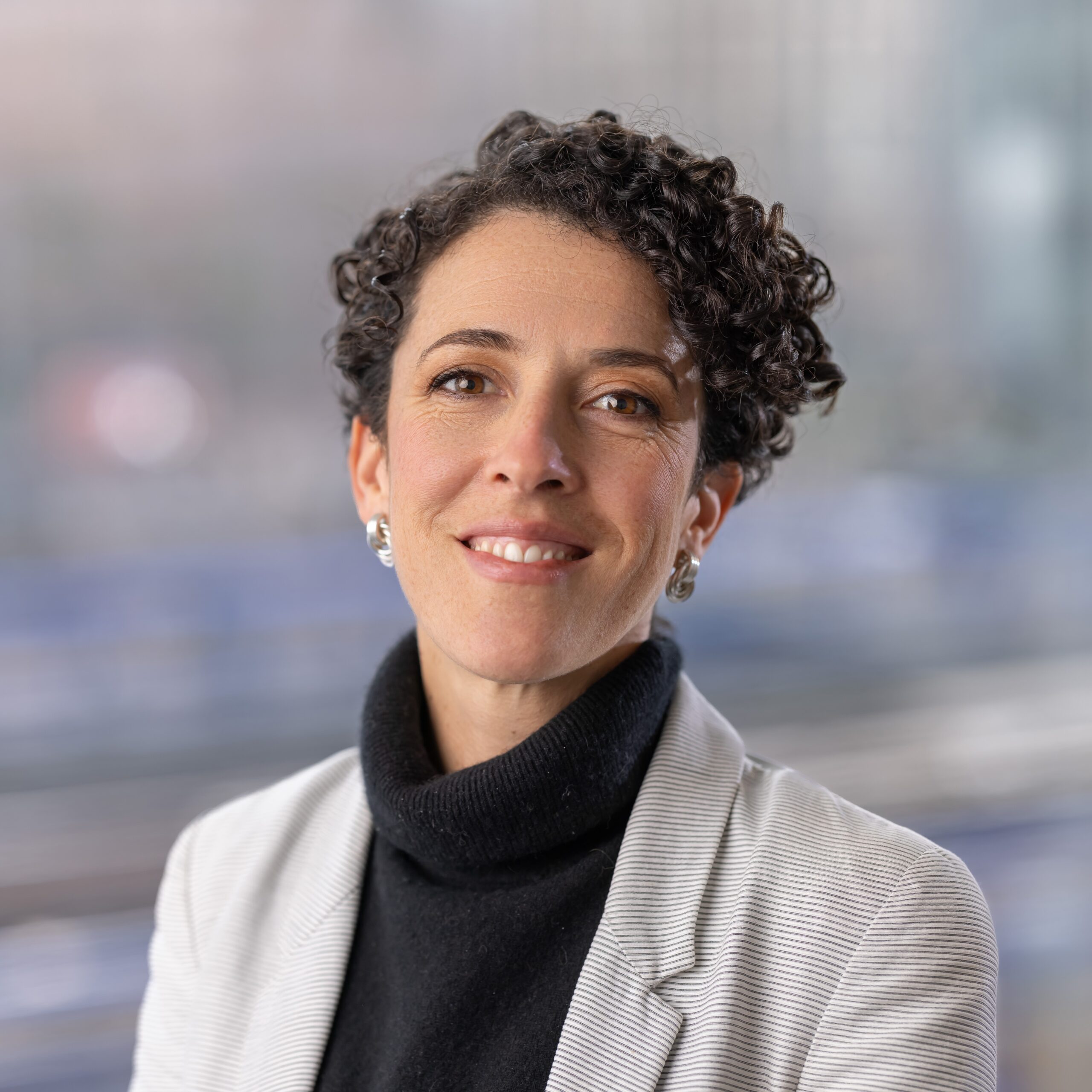
Dr Marina Romanello
Marina Romanello is the Executive Director of the Lancet Countdown: Tracking Progress on Health and Climate Change, an independent and multi-disciplinary research collaboration of almost 300 researchers around the world, and headquartered at University College London’s Institute for Global Health.
Marina is also:
- Principal Research fellow at UCL, studying the links between public health and climate change.
- Trained as a clinical biochemist in the Universidad de Buenos Aires, Argentina, and holds a PhD in biomedical sciences from the University of Cambridge, UK.
- Her research background spans from toxicology through to environmental health and climate change, and she has previously carried out her research in the Instituto Tecnologico de Buenos Aires, the University of Cambridge, and the Francis Crick Institute.
Professor Swenja Surminski
Swenja Surminski is Professor in Practice at the Grantham Research Institute at the London School of Economics (LSE) and Managing Director Climate and Sustainability at Marsh. She advises the Coalition of Finance Ministers on climate risks topics and is PI of the NATURANCE project at LSE. Swenja’s work focuses on capacity building and knowledge transfer between science, policy and industry.
Swenja is also:
- Chair of Managing Board of MCII since 2022.
- Previous Deputy Director at Grantham Research Institute, London School of Economics (2021-2022) and Associate Principal at Vivid Economics / McKinsey (2016-2022).
- A contributing author to the IPCC and lead author of UK CCRA2 and CCRA3.
- Co-creator of the Triple Resilience Dividend concept with the Worldbank and ODI.
- A visiting Academic at the Bank of England.
Expert advisers
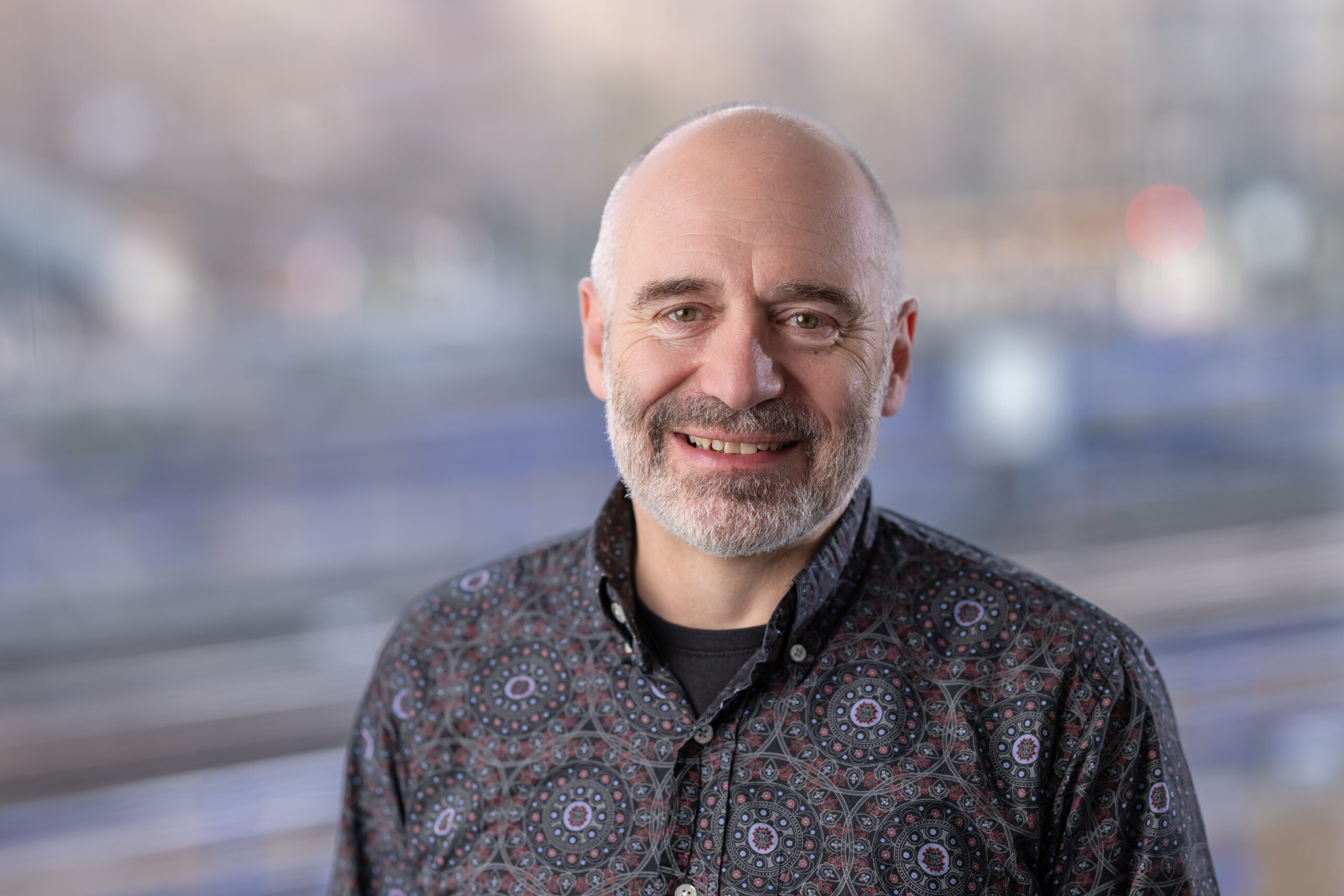
Professor Richard Betts MBE
Adaptation Committee adviser
Richard Betts is Chair in Climate Impacts at the University of Exeter and Head of Climate Impacts Research at the Met Office Hadley Centre.
Richard also:
- Was a lead author on the Fourth, Fifth, and Sixth Assessment Reports of the Intergovernmental Panel on Climate Change (IPCC).
- Led the Technical Report for the Third UK Climate Change Risk Assessment (CCRA3).
- He joins the Adaptation Committee as Expert Advisor for CCRA4.
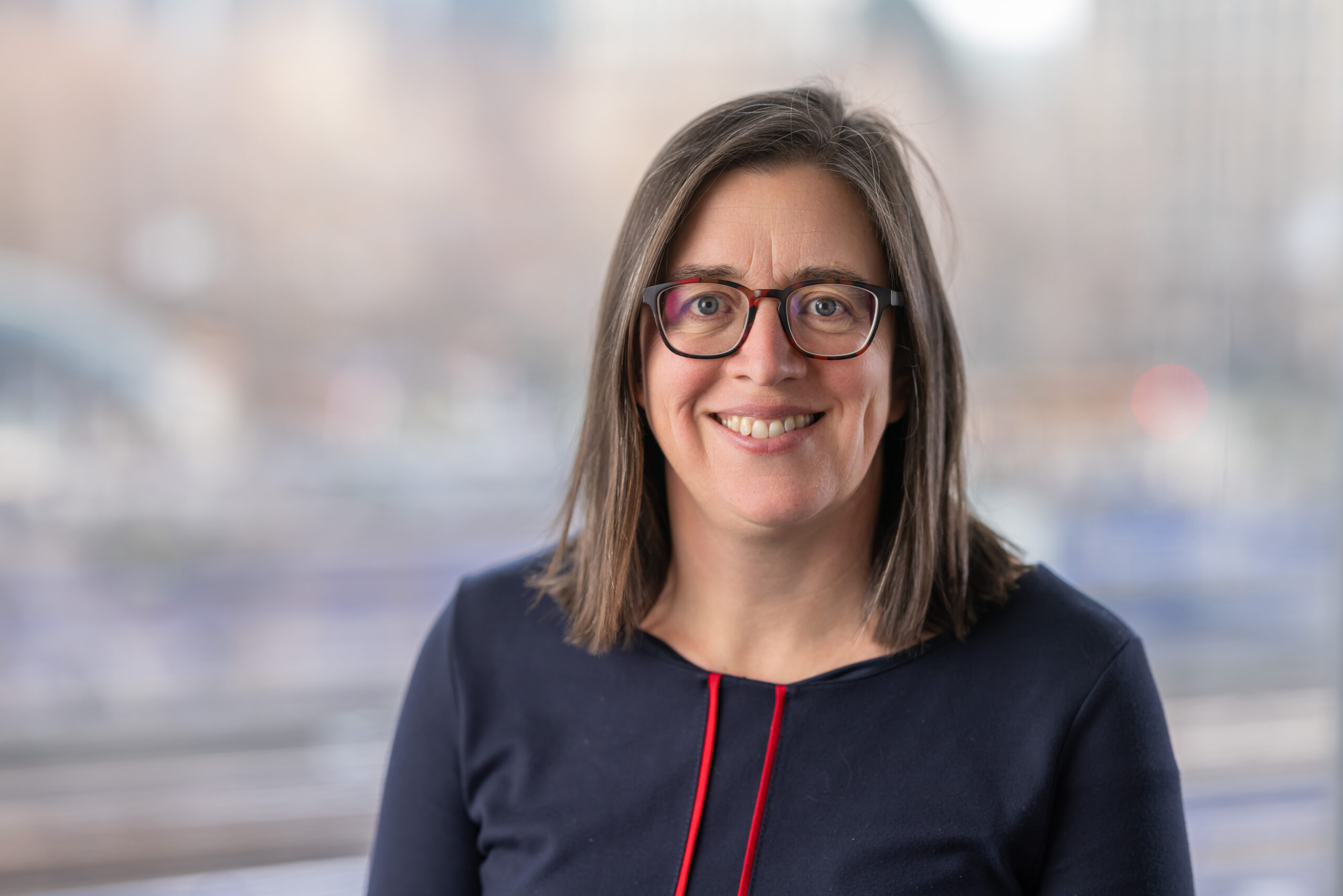
Professor Rebecca Willis
Mitigation Committee adviser
Rebecca Willis is a Professor in Energy & Climate Governance at Lancaster University, where she leads the Climate Citizens research group, investigating citizen engagement in energy and climate policy.
Rebecca is also:
- An adviser to Innovate UK’s Net Zero Living Initiative and the National Lottery’s Climate Action Fund.
- In 2020 she was an Expert Lead for Climate Assembly UK, the Citizens’ Assembly established by the UK Parliament.
- Previously, she was also: Founder of Green Alliance’s Climate Leadership Programme, Research Fellow for the IGov project at the University of Exeter, a member of the Scientific Advisory Committee of UKRI’s Energy Programme, Vice-Chair of the UK Sustainable Development Commission, advising the Prime Minister and First Ministers of the devolved administrations, and a Director of Green Alliance.